Notes · 16 November 2026 · 3 min read
A brief for your video or photo production: what goes in it?
What belongs in a good brief for a corporate video or photoshoot? Seven questions to answer before you ask for a quote, and what to leave open.

A good brief fits on one page. It does not have to look nice and you do not need to know any jargon. It has to answer seven questions. If you do that before the first conversation, you get proposals that fit and quotes you can compare side by side.
1. Why now?
There is always a reason: a new website, a launch, open vacancies, an event, a trade show. Write it down. “We need content” says little. “Our new website goes live in March and we do not have a single image of the new production hall” says almost everything.
2. For whom, and what do they do next?
Choose one audience and one response. Customers who should request a quote need a different film than colleagues who should relive a day.
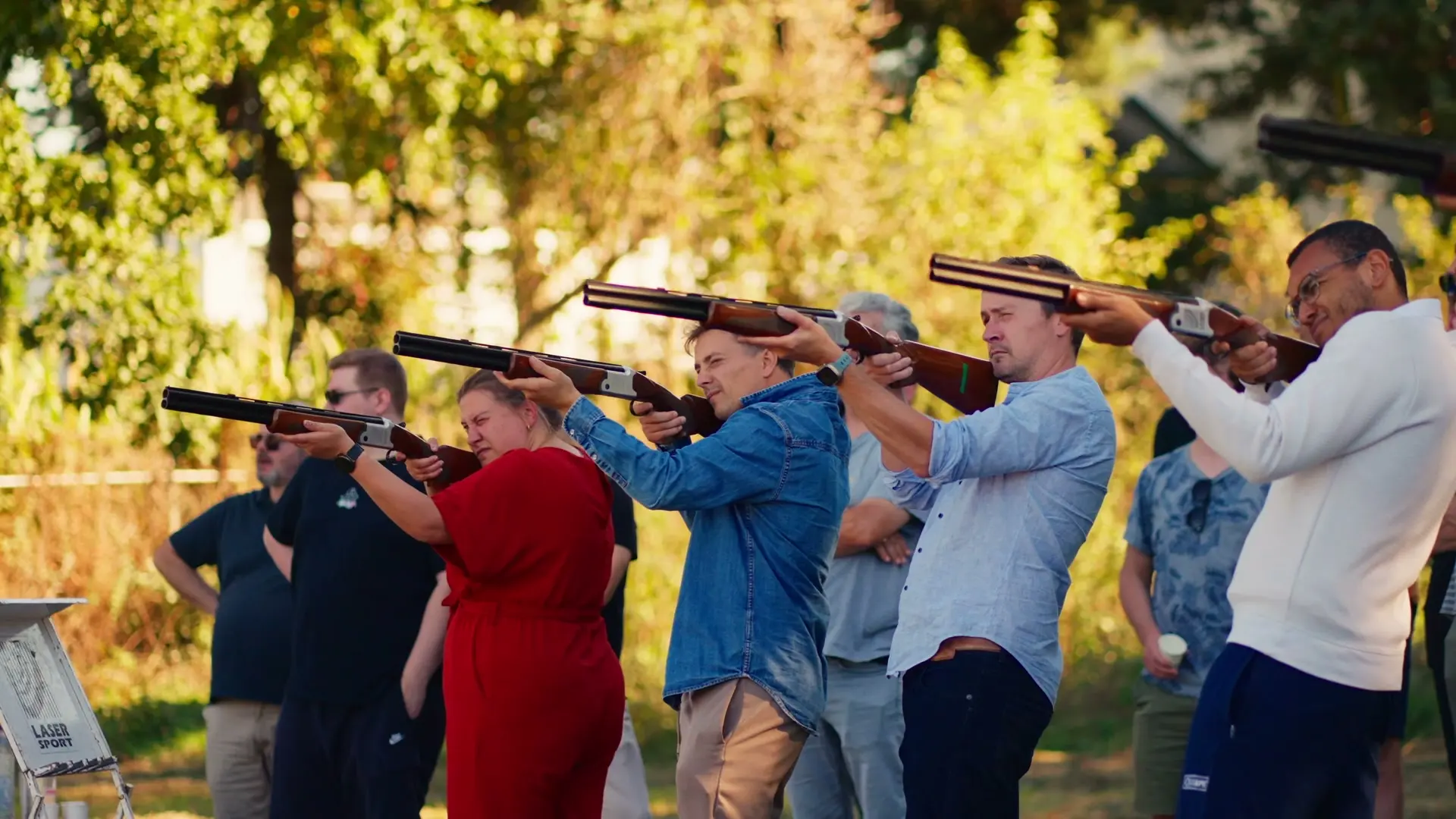
At the Norriq incentive day the aftermovie follows the rhythm of the day, and the coverage provides images for a look back on the intranet or an invitation to the next edition. A film that has to win over new customers starts from a different question and looks different.
3. Where will the images go?
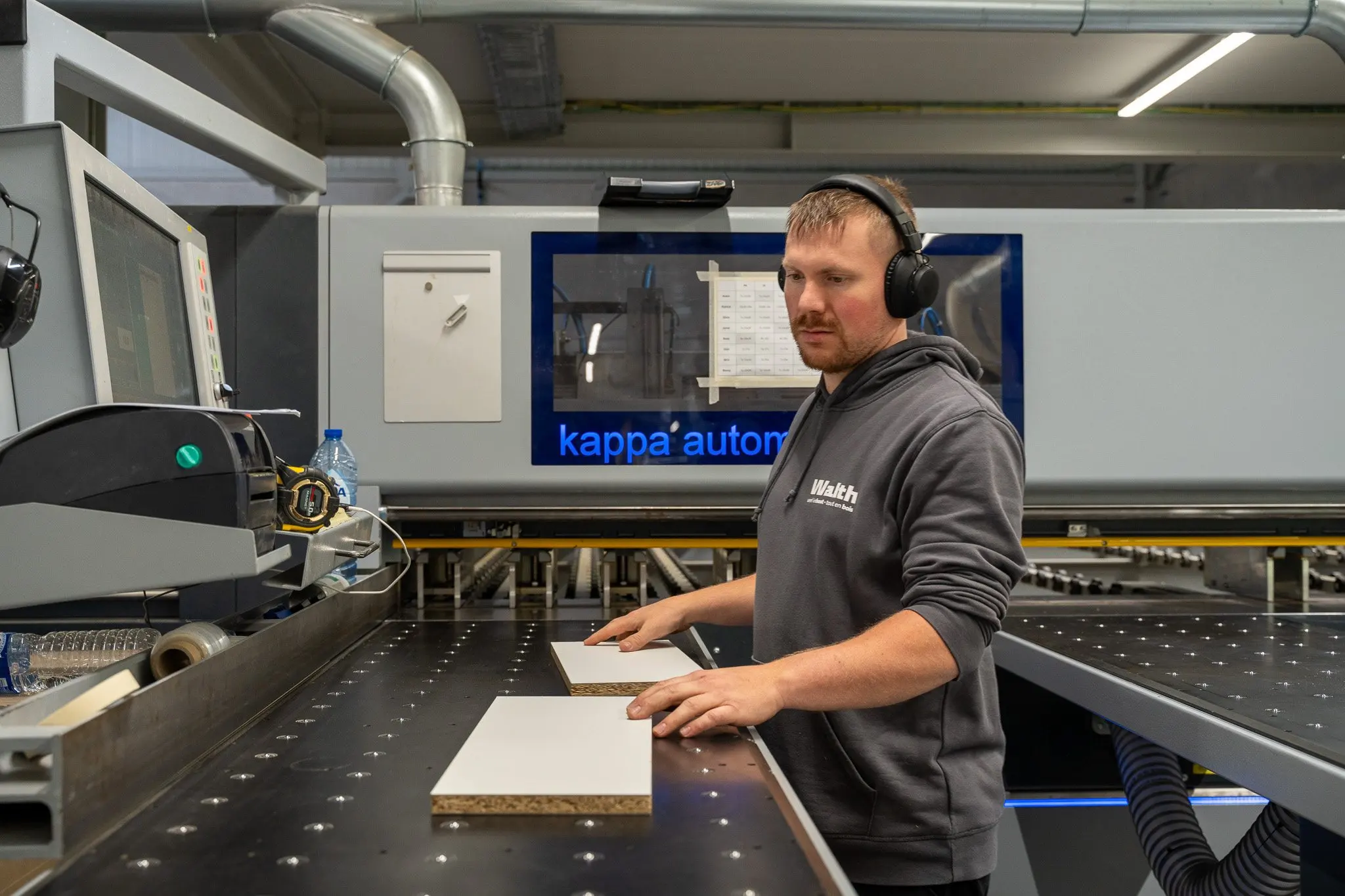
List the channels. The formats follow from them, and the formats decide how things are filmed and photographed. For Walth photo and video had to work on the website, on social, in ads and in the brochure. If you know that in advance, you shoot a wide image for the homepage and a vertical one for mobile on the same day. Cropping afterwards is always a compromise.
4. What is fixed?
- The date that cannot move, and why.
- The locations and when they are free.
- The people who need to be on camera, and when they are available.
- What must not be shown: confidential machines, client names, part of the building.
- What already exists: brand identity, logo, existing images, an earlier film.
For an event, the run sheet and the key moments belong here too. That list is in Having an aftermovie made.
5. Two examples
Send two videos or photo series you like, and say what you like about them: the pace, for example, or the light. One example of what you do not want helps just as much. Ten references do not help: then nobody knows which one counts.
6. A budget range
Many clients keep their budget to themselves, afraid the quote will then land exactly on it. The opposite is true. Without a range a maker has to guess, and you get proposals that are too small or too big. With a range you get an answer to the right question: what is the best that can be done within this frame? Which choices drive the price is explained in What determines the cost of a photoshoot or corporate video?
7. Who decides?
Name one contact person and say who approves the edit or the selection. Feedback from five people in five emails contradicts itself. Collect it internally and pass it on in one go. That saves a round of corrections.
What you are better off leaving open
Do not write a script or a detailed shot list. A list of what definitely needs to be on camera is enough. The maker draws up the shot list afterwards, together with you. Also do not specify that a drone has to fly or that the film must last exactly ninety seconds. Describe the problem, not the solution. Choosing the form is the maker’s job, and something else often turns out to work better than what you had in mind. Not sure yet which kind of video you need? Start with Brand film, aftermovie, interview or reel.
Then compare on the same basis
Send the same brief to every maker you contact. Then the differences between the proposals are about approach and quality, not about who understood the question differently.
Once the choice is made, the practical preparation of the day itself begins. That is covered in A photoshoot at your company: how to prepare your team and space.
No time for a document?
Seven short answers in an email will do. Send them to us via the contact page, and you will get a proposal tailored to what you write.