Notes · 28 October 2026 · 2 min read
Rights and consent for photo and video: what do you agree on?
Who may use the images for what, for how long, and what about people who are recognisable on camera? The agreements you are best off making in advance.

Almost nobody thinks about rights before a photo or video production. Until the images have to go into an ad, a partner wants to use them, or an employee asks for a photo to be removed. A few clear agreements in advance prevent discussion afterwards.
This article gives a practical overview, not legal advice. If you are unsure about a specific situation, check with a lawyer.
Who holds the rights to the images?
In Belgium, the copyright on a photo or film belongs to whoever makes it. As the client, you get the right to use the images as agreed. That is why it is important to make clear in advance what for:
- Channels: website, social media, print, paid advertising, television, trade show.
- Duration: unlimited, or a set period.
- Territory: Belgium, Europe, worldwide.
- Third parties: may partners, distributors or the press use the images too?
Put those agreements on paper, in the quote or the confirmation. Then everyone knows where they stand.
Music
Music in a video always needs a licence. A licence for social media does not always cover paid advertising or television. Check where the film will run, so the right music is chosen.
People on camera
Anyone who is recognisable on camera has a right to their own image. For publication you need consent in principle. A few situations:
Employees. Ask for written consent for portraits and images on the website or in campaigns. Also agree what happens when someone leaves the company.
Customers or guests. Ask for consent before you feature someone prominently, for example in a restaurant, bar or shop.
Events. At an event with an audience, announce in advance that there will be photography and filming: in the invitation, on the tickets and with a sign at the entrance. Give people who do not want to be on camera an easy way to say so. A mood shot of a large group is a different matter from a close-up of one person. See also the event photography checklist.
Children. Always ask the parents for consent.
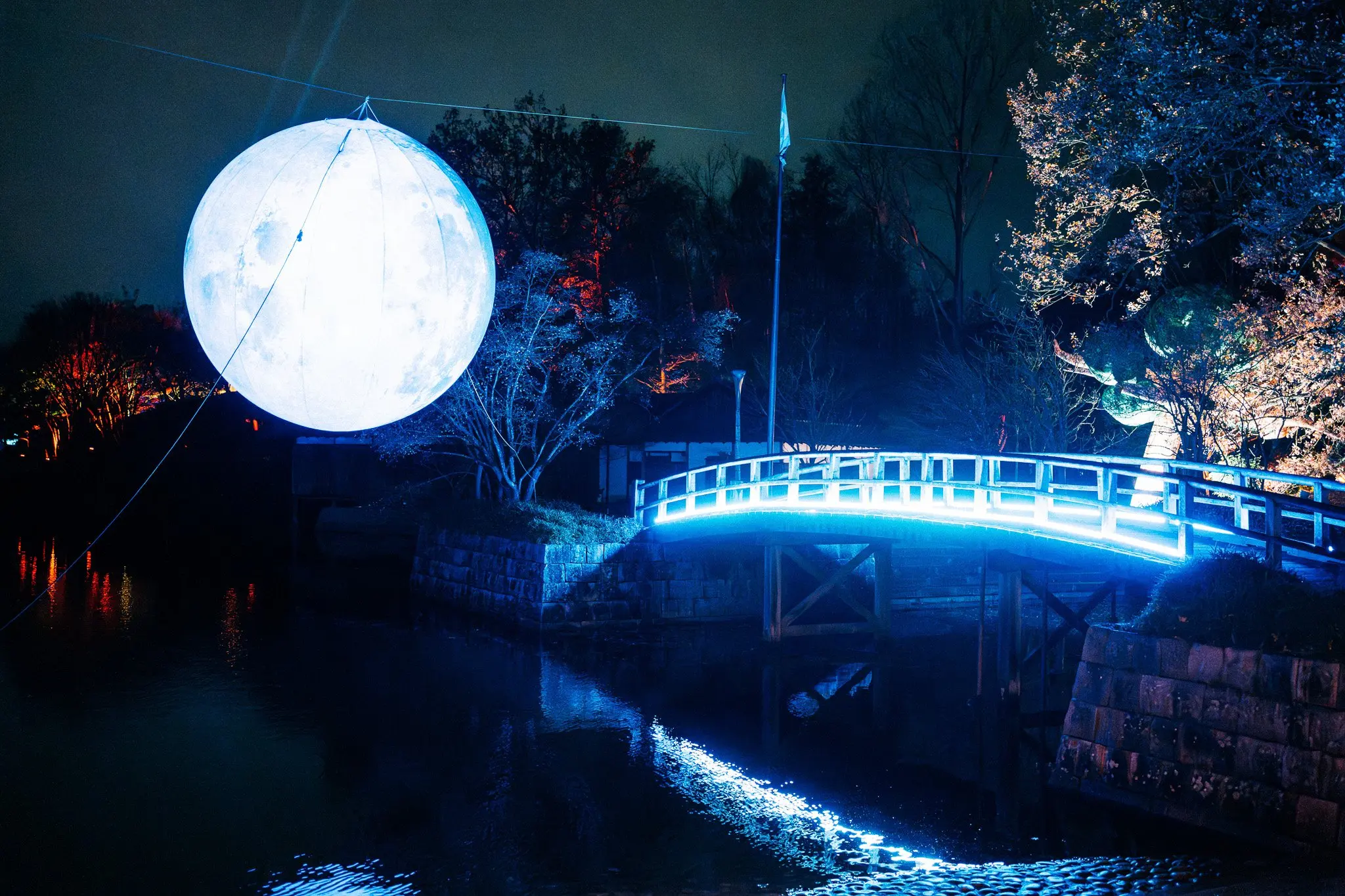
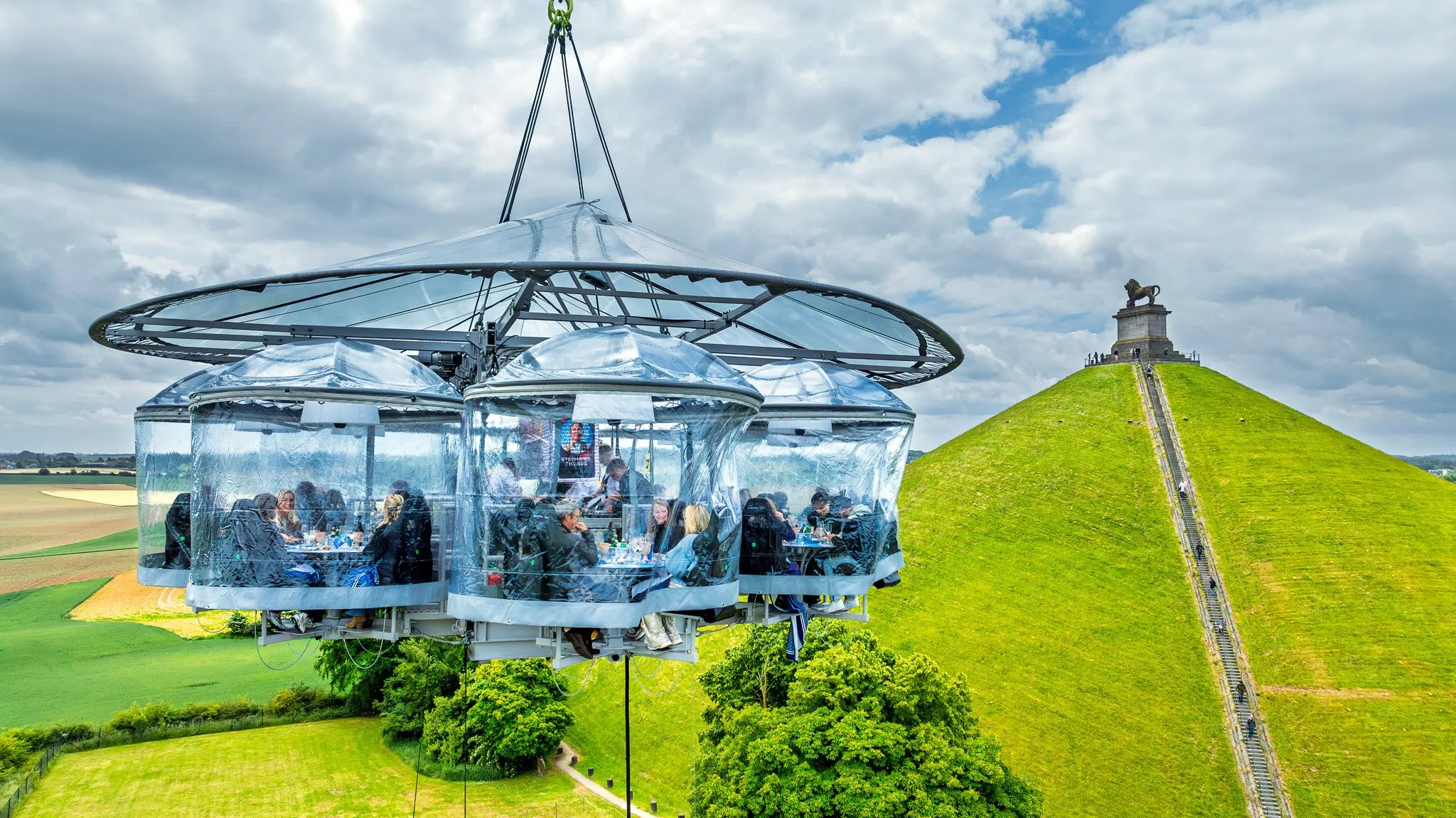
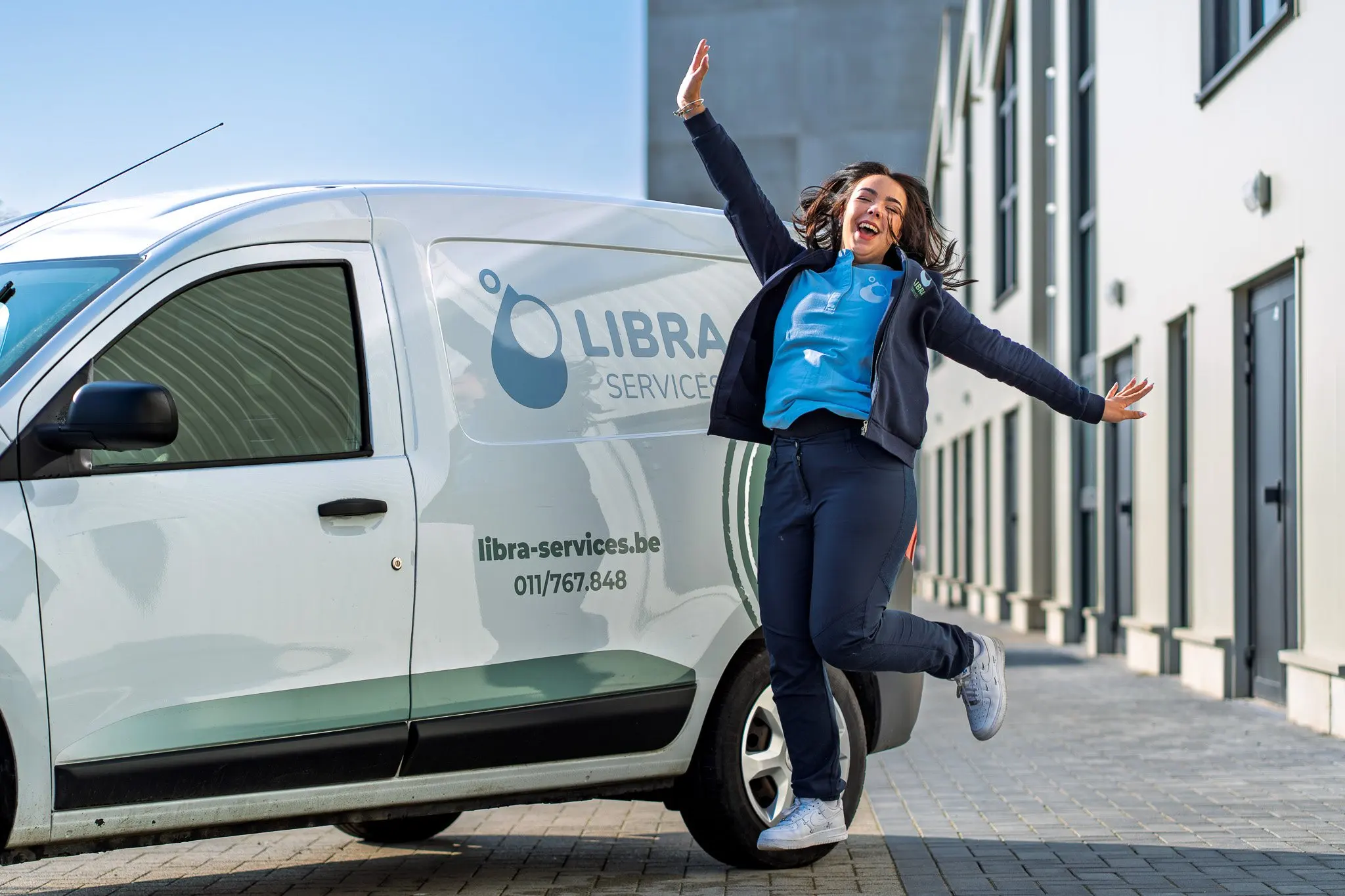
For light festival Luminate and for Dinner in the Sky, the audience and guests were central to the images. For Libra Services it was employees, in portraits and at work.
Brands and locations
If filming takes place at a location that is not yours, ask the owner for permission. Also watch out for logos of other brands that appear prominently, especially in ads.
Storing and deleting
Images of people are personal data. Store them securely, use them only for what they were made for, and delete an image if someone rightly asks you to.
In short
- Agree in advance where, for how long and by whom the images will be used.
- Ask for consent from anyone who is recognisable on camera.
- At events, announce that there will be photography and filming.
- Choose music with the right licence.
Questions about a production? Tell us what you want to make, and we will include the agreements in the proposal.