Notes · 8 October 2026 · 2 min read
Interior photography: capturing a space
How do you photograph an interior, home or office so space, light and materials come into their own? Tips for architects, contractors and landlords.

Photographing a space looks simple, but anyone who has tried to capture a room with a smartphone knows how quickly a photo feels dark, crooked or cramped. Good interior photography shows a space the way you experience it in real life.
The space first, then the detail
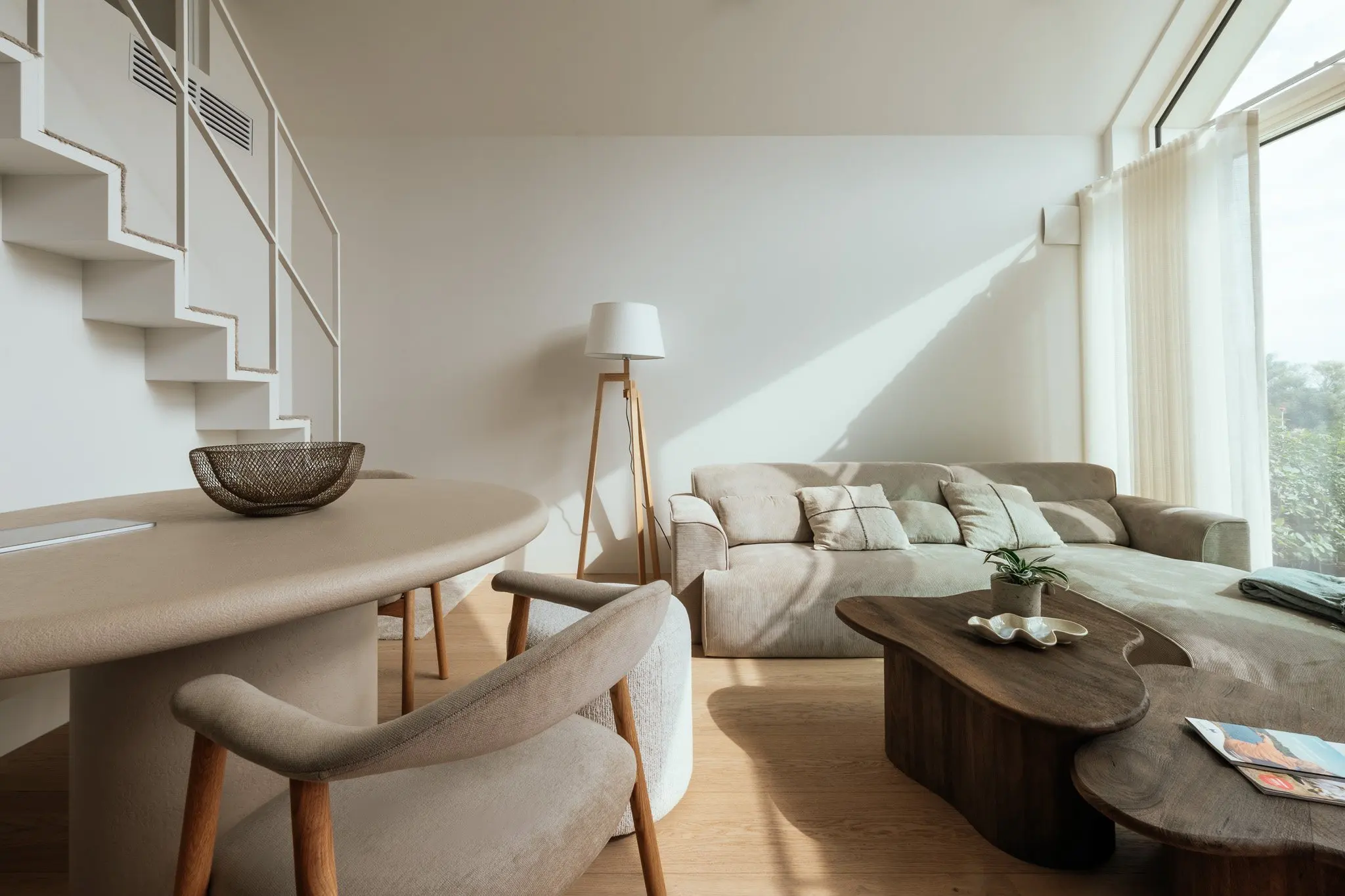
A strong series alternates wide frames with tighter crops. The overview shows how the space fits together; the details show material, finish and craftsmanship. For Project Aldeneik by WARA HomeProjects we built a series around space and daylight, material and finish, and interior and exterior.
Light makes the space
Daylight determines how large, warm and inviting a space feels. That is why we check the orientation of the space in advance, and the time of day when the light falls best.
Straight lines, calm image
Vertical lines that stand straight and a frame that is not overcrowded give calm. Tidying up before the shoot is not a detail: every cable, pile of paper or half-full bin draws attention away from the space.
Who is it for?
- Architects and contractors: reference images of finished projects for website and brochure.
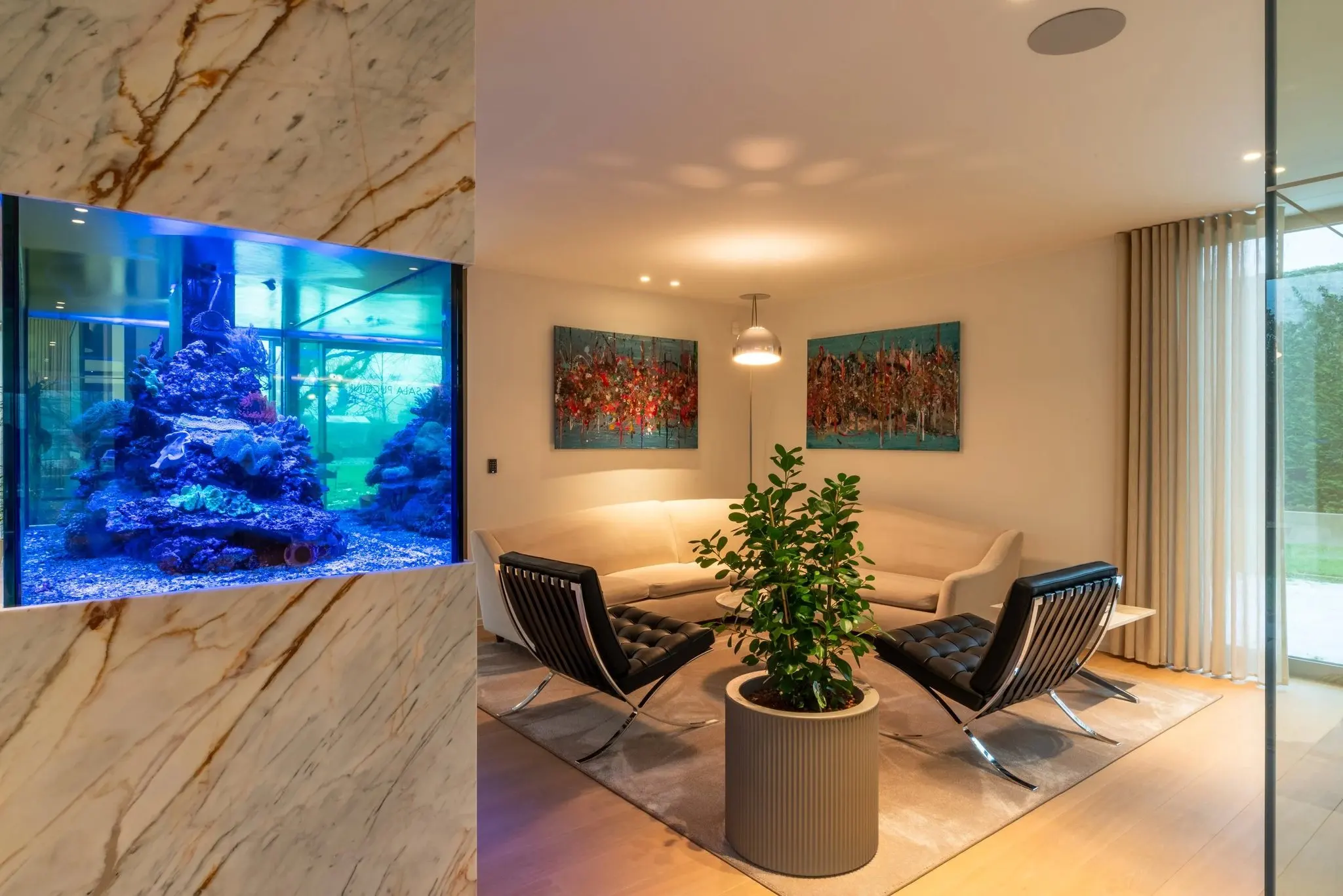
- Companies: offices and headquarters, like the reference images for WARA Giuliano’s.
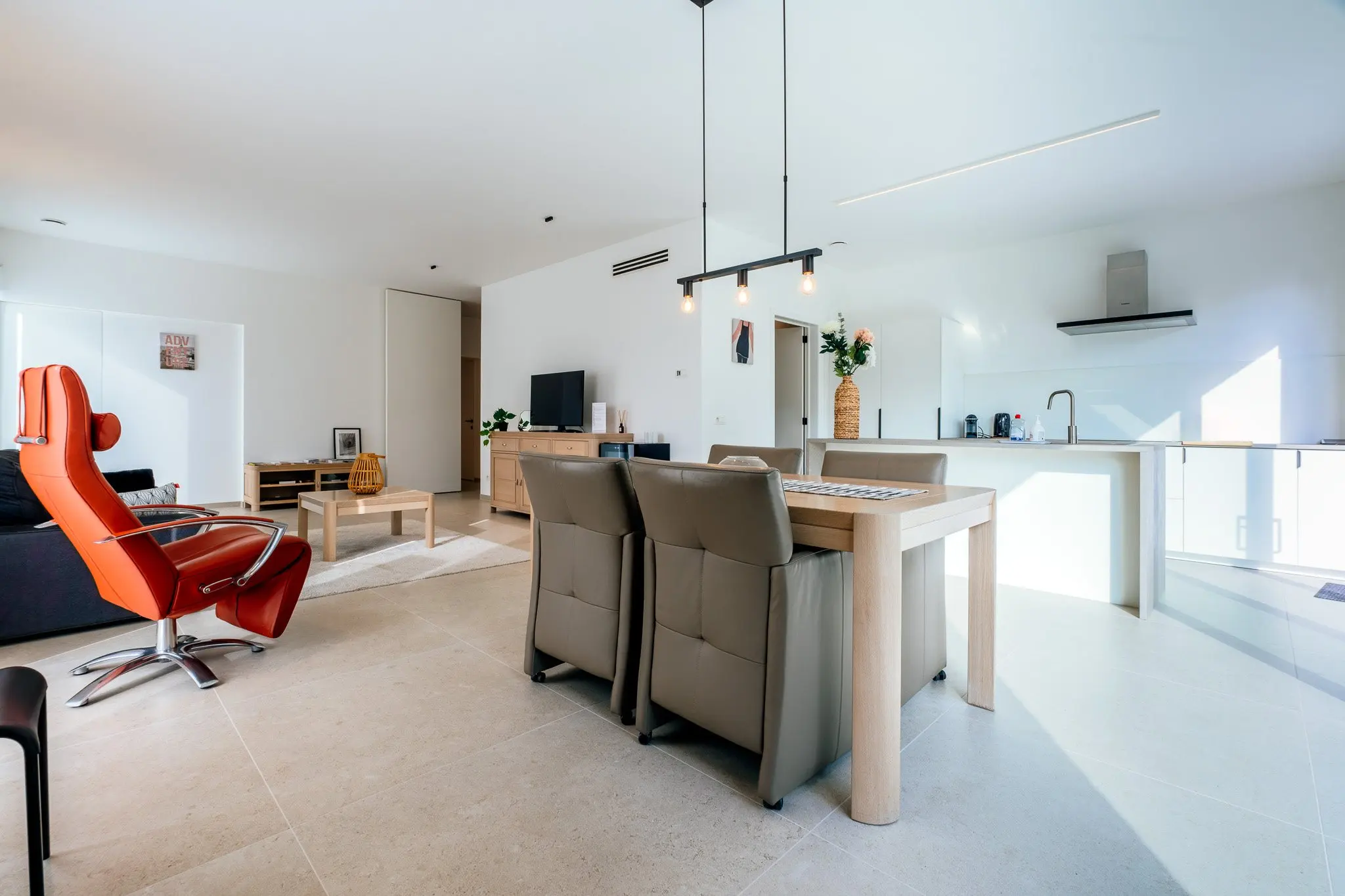
- Landlords and B&Bs: images that win guests over, like those for a holiday home in Hasselt.
In motion and from above too
A space also works on video: a calm walk through a home shows sightlines and volumes. And with aerial footage you see the building in its surroundings.
Ready for the shoot
- Tidy up and remove personal belongings.
- Turn on all the lights, even during the day.
- Open curtains and shutters.
- Make sure the space is finished, or schedule the shoot after the final touches.
More on our approach to interior and architecture photography.