Notes · 28 October 2026 · 2 min read
An interview or testimonial video: how to prepare it
How do you prepare an interview or customer testimonial on camera? On questions, location, sound and how to put someone at ease.

Nothing is as convincing as someone telling the story themselves: a client on the collaboration, a designer on their product, a managing director on why they started. But a good interview on film is no accident. It depends on the preparation, the set and the way the conversation goes.
Start with the message
First decide what the viewer should know or feel after the video. Trust in your service? An understanding of a product? A wish to come and work for you? The questions follow from that, and so does who is best to interview. Someone who simply tells a story well often works better than the most senior person.
Questions, not a script
Don’t make people learn lines by heart: viewers see and hear that immediately. Work with open questions (“How did that go?”, “What changed?”) and let the interviewee answer in their own words. Send the themes in advance, not the exact wording. That way someone is prepared without sounding rehearsed.
A tip: ask them to answer in a full sentence, so the question isn’t needed later. “We chose…” works better than “Yes, because…”.
Location and set
Choose a place that says something about the story: the workshop, the showroom, the shop floor, or a quiet set where all the attention goes to the person. Watch the sound: a beautiful hall with echo or a room next to a busy street is difficult. Allow time to set up light and camera before the interviewee walks in.
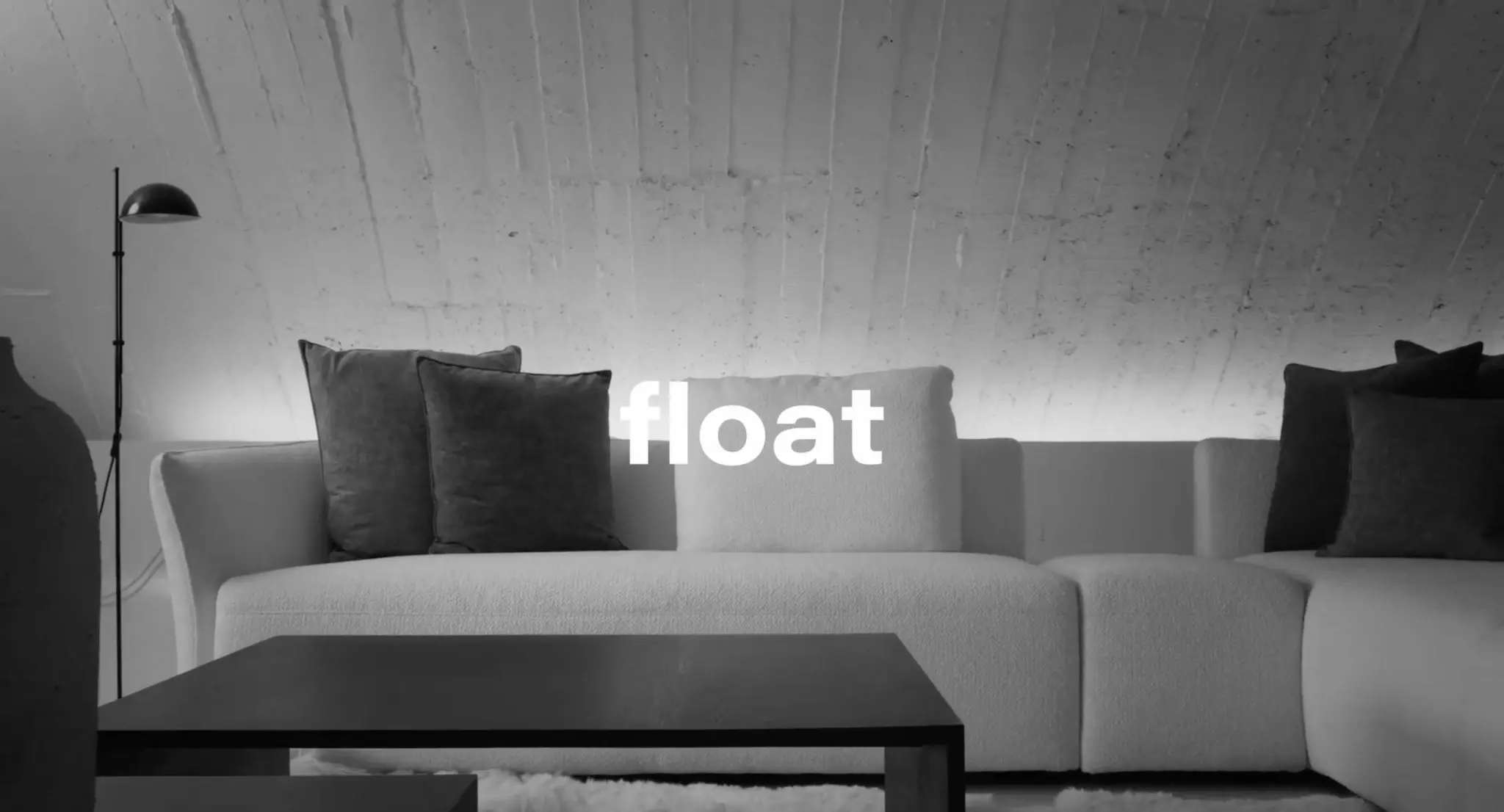
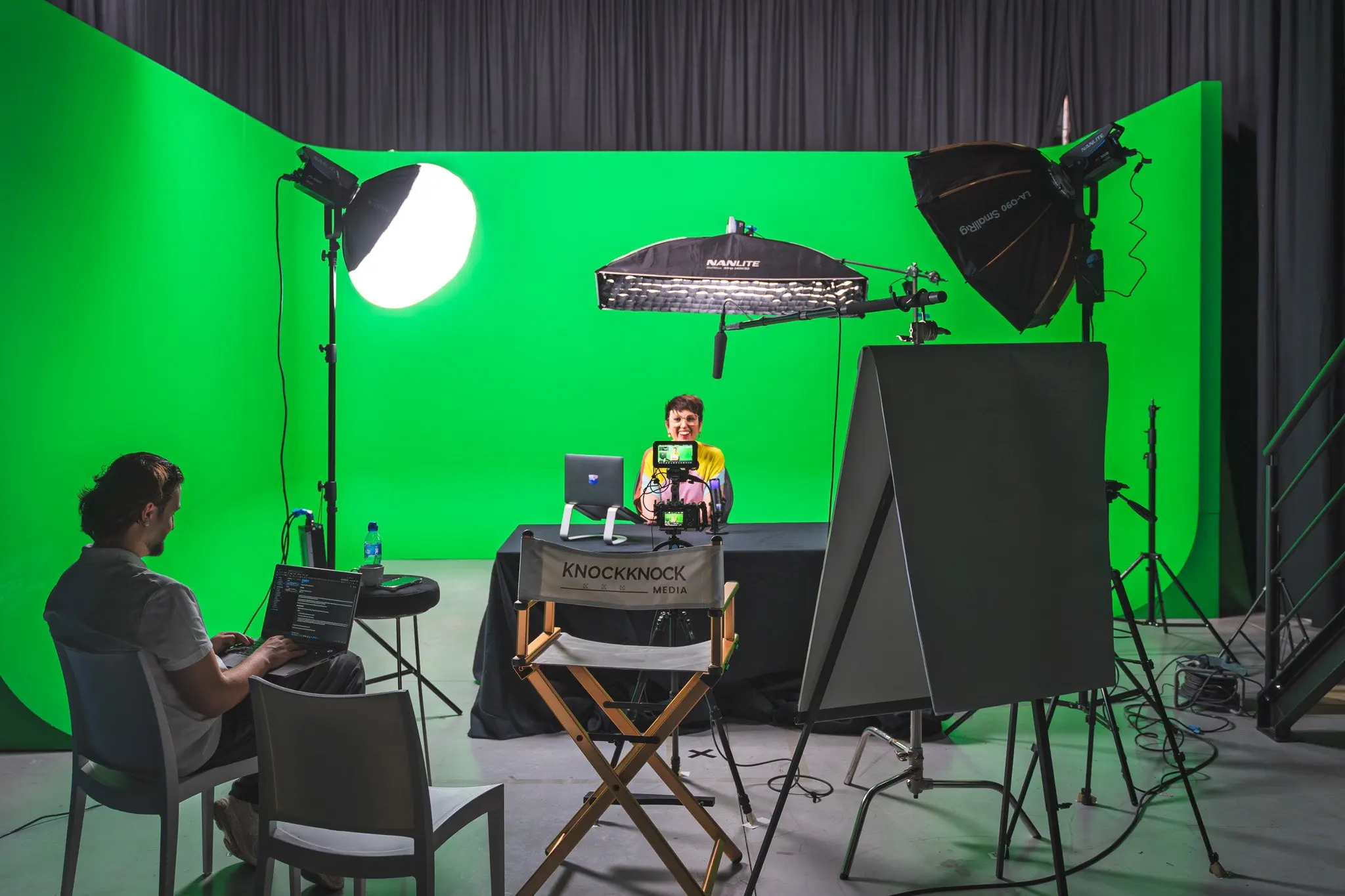
For the studio shoot for Corda Arena there was an interview set with lighting and a green screen. For the designer interviews for Indera the focus was on the sofas the designers of Studio Segers talked about.
Sound matters more than picture
Viewers forgive a slightly less beautiful picture, but not bad sound. An interview needs a good microphone close to the speaker, a quiet room and someone listening during the recording.
Putting someone at ease
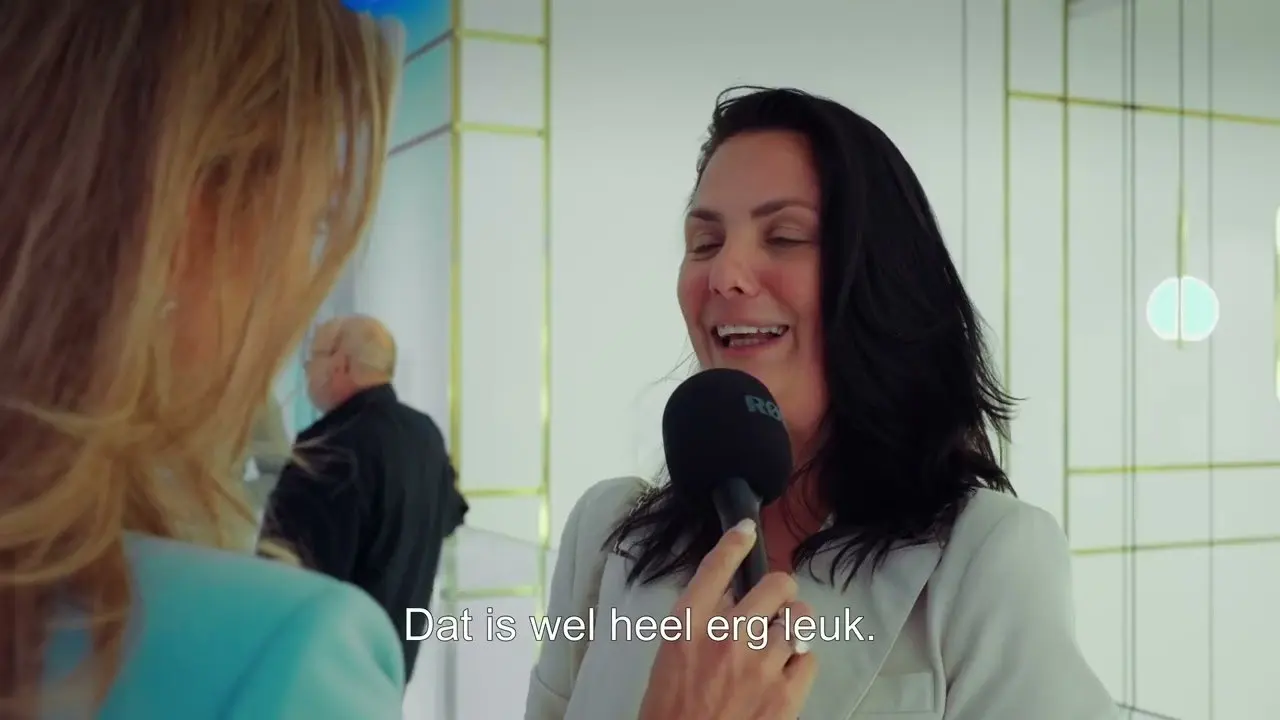
Most people don’t like being in front of the camera. Start with an ordinary conversation, let the camera already roll, and only ask the most important questions once someone is relaxed. Whoever leads the interview looks at the interviewee, not at the camera.
More than talking
An interview gets stronger with images that show what someone is talking about: the product, the workplace, hands at work. Plan those shots in, on the same day. In the brand film for Wonen & Bouwen publisher Steve Corthaut explains the concept himself, and the images carry his story.
One interview, several videos
From one good interview you can often get a longer film for your website and a few short clips for social media or sales presentations. Agree on that in advance, so the shoot also covers vertical formats and subtitles.
Planning an interview or testimonial? See our approach to interviews and testimonials or tell us what you have in mind.