Notes · 28 October 2026 · 2 min read
Subtitles in your corporate video: why and how
Most videos are watched without sound. Why subtitles are almost always needed, and what to watch for in style, length and multiple languages.

A large share of videos on social media are watched without sound: on the train, at the office, in the waiting room. Viewers who see no subtitles keep scrolling. That is why subtitles are no longer an extra, but a fixed part of almost every corporate video.
Why subtitles
- Watching without sound: on social media that is the default.
- Accessibility: for people who are hard of hearing or deaf.
- Multiple languages: in Belgium often Dutch, French and English. One film, three versions.
- Understanding: a speaker with an accent or a noisy setting is easier to follow with subtitles.
Burned in or as a separate file?
There are two kinds:
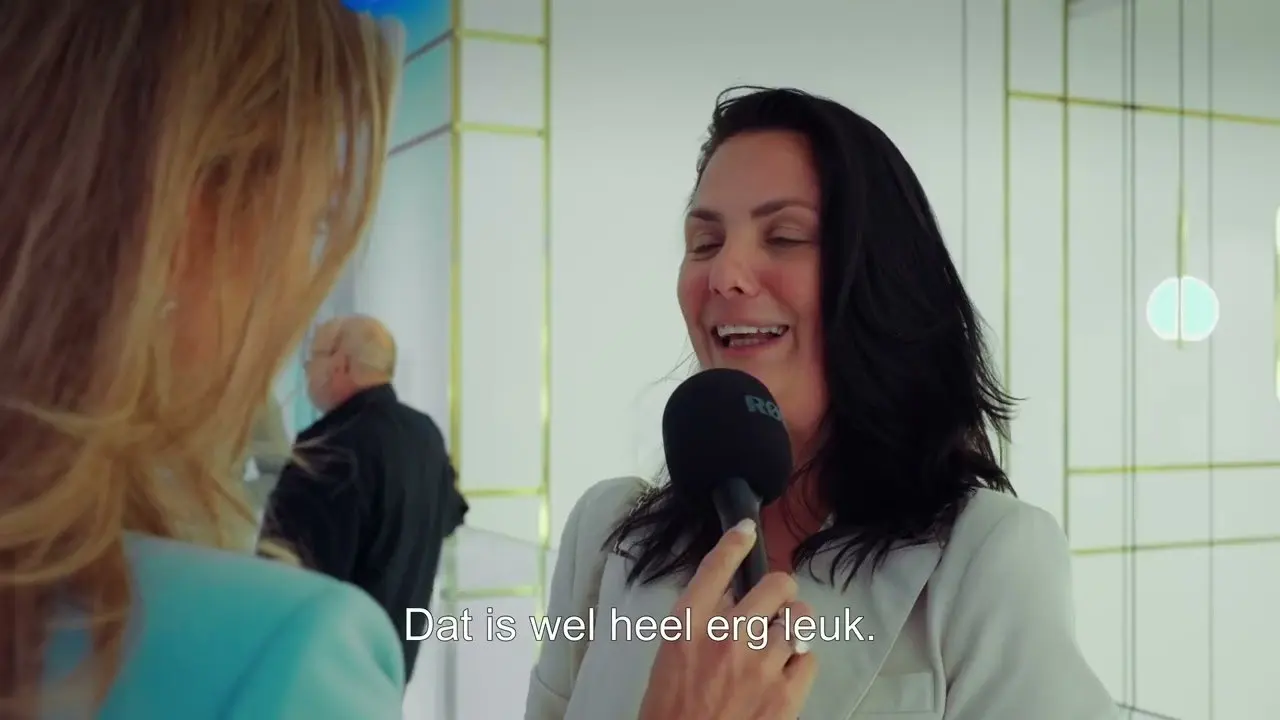
Burned-in subtitles are fixed in the image. They look the same everywhere and are ideal for social media, where you do not know whether the player will show subtitles.
A separate subtitle file (for example SRT) is loaded by the player itself. On YouTube and your own website the viewer can switch them on and off and choose a language. Search engines can read that text too.
Often you need both: burned in for social, as a file for YouTube and your website.
Style
Subtitles have to be readable without disturbing the image:
- Short lines, no more than two per frame.
- A calm typeface, large enough for a phone.
- Enough contrast, with a light shadow or background if the image is busy.
- Not too fast: on screen long enough to read comfortably.
- Higher in the frame on vertical video, so they do not disappear behind the app’s buttons.
Spoken language is not written language
Transcribing an interview word for word produces long, messy subtitles. Good subtitles follow what someone says, but leave out repetitions and “um” and cut long sentences into pieces. The meaning stays, and it reads more smoothly.
Planning multiple languages
Do you want the film in several languages? Then do not put text in the image itself (titles, names, figures), or ask for separate versions per language. A Dutch title above French subtitles does not work. How to use titles and figures on screen well is covered in motion graphics in your corporate video.
At an international event such as the ESSMA Summit in London, English is the working language. In interviews such as the designer interviews for Indera or the film for Wonen & Bouwen, the voice carries the story, which makes subtitles on social media all the more important.
Plan it in
Subtitles belong in the agreements from the start: in which languages, burned in or as a file, for which versions. Read also how to prepare an interview or testimonial.
Need a video with subtitles in several languages? Tell us what you want to make.